Imagine waking up to wide‑open meadows, sweeping mountain views, and the quiet of the valley floor, then being in downtown Aspen in minutes. If you want space, privacy and a true indoor‑outdoor lifestyle without leaving the Aspen zip code, McLain Flats stands out. In this guide, you’ll learn what daily life feels like, the types of properties you’ll find, practical considerations to check, and how McLain Flats compares with in‑town neighborhoods. Let’s dive in.
McLain Flats at a glance
McLain Flats sits in Pitkin County’s 81611 zip code, on the valley floor just outside the core of Aspen. The setting blends open ranchland with estate parcels, giving you a rural feel with quick access to town, the ski areas, and regional trails. The terrain is mostly flat to gently rolling, with meadows, riparian strips in places, and broad mountain views.
You’ll notice a calmer pace compared with in‑town streets. Many residents are second‑home owners seeking acreage, while others live here year‑round. Evenings and shoulder seasons feel quieter, and you typically drive to amenities rather than walk.
Property types and lots
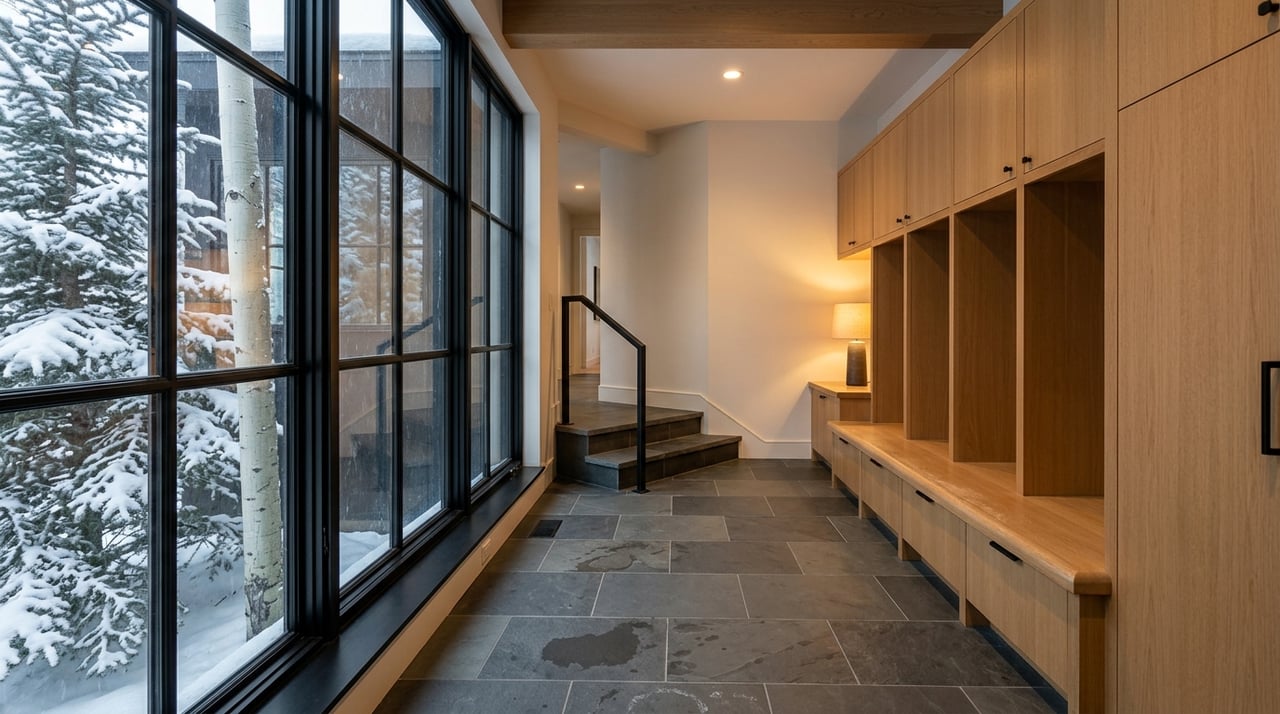
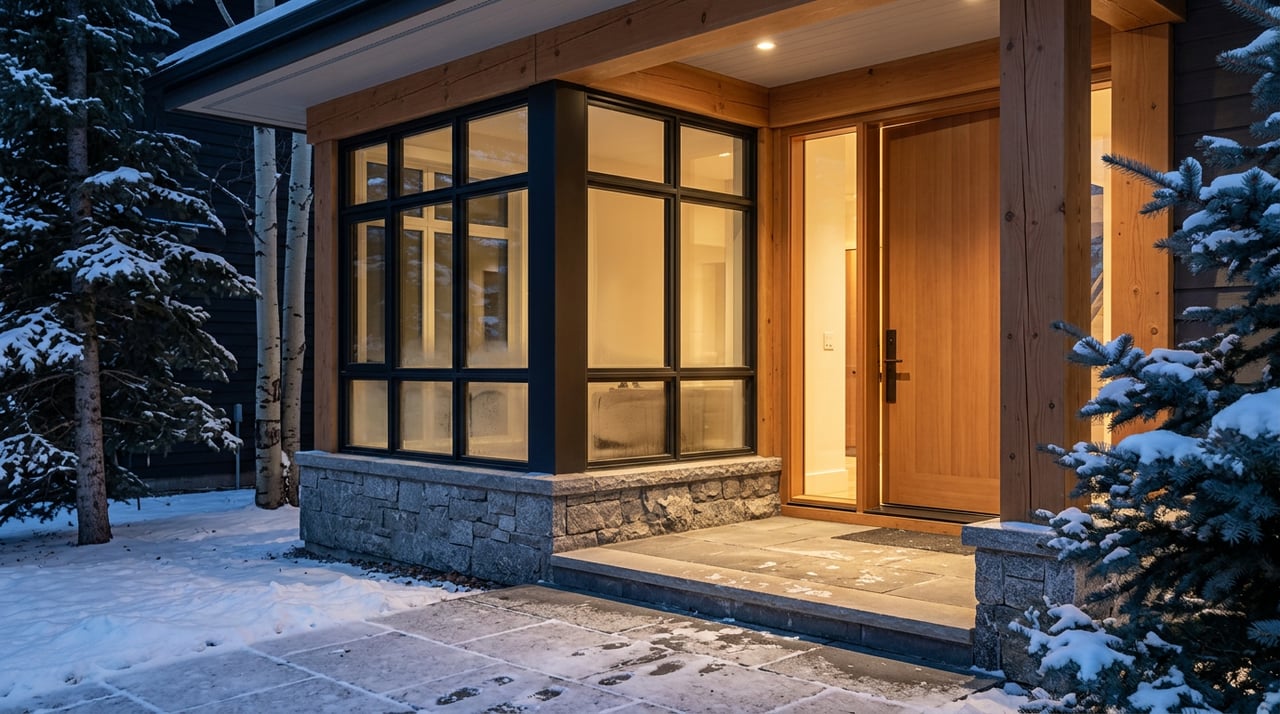
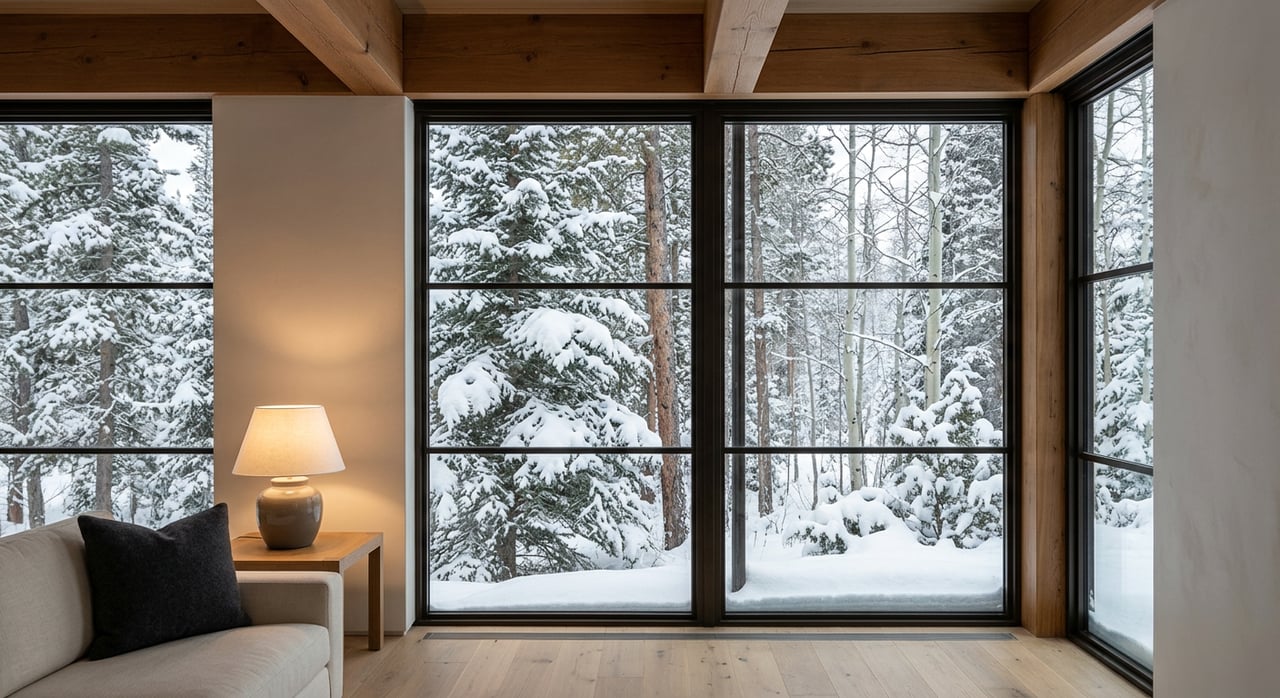
Most homes here are large single‑family estates designed to capture views and outdoor living. You’ll see a mix of renovated ranch houses, newer custom builds, and ranch parcels that can support light agricultural use or paddocks. Architectural styles range from rustic ranch to contemporary mountain, often with big windows, patios, and landscaped meadows.
Lot sizes are notably larger than in‑town Aspen. Many parcels span several acres, and some extend to tens of acres. Lower density means more separation between homes. Accessory structures such as guesthouses, barns, and detached garages are common, subject to Pitkin County zoning and any covenants. If you want elbow room and flexibility, this is a key advantage of McLain Flats.
Views and privacy
Views are a major draw. Sightlines often take in surrounding peaks and the valley below. Because many properties sit away from commercial corridors and are sited with intention, you tend to get unobstructed outlooks.
Privacy comes from both lower density and natural buffers like meadows, tree lines, and gentle topography. Each parcel is different, but the character is decidedly more private than in‑town neighborhoods. If you value a quiet setting and breathing room, McLain Flats delivers.
Access to Aspen and ski life
You’re typically a short drive from downtown Aspen. Depending on your exact address and traffic, 5 to 20 minutes is a reasonable range. Highway 82 is the main artery through the valley, and seasonal traffic can add time during major events or peak ski periods.
Public transit through regional bus service supports many Aspen‑area neighborhoods, so it’s worth confirming the nearest stop and frequency for a specific address. You also have quick access to local trailheads for hiking, mountain biking, and cross‑country skiing. River corridors and the regional paved trail network offer walking, cycling, and fishing opportunities, though exact access points vary by property.
The Aspen/Pitkin County Airport sits in the same valley, and drive times from McLain Flats are typically short. If you host visiting guests or travel often, that proximity is a practical perk.
Daily convenience
Living on McLain Flats trades walkability for space. You’ll likely drive to dining, arts, and shopping in central Aspen. Groceries, services, and nightlife sit close enough for quick trips, but the neighborhood itself is quiet and residential. Many owners like this balance: close proximity to town paired with a private retreat.
Outdoor lifestyle and land use
With more acreage, you get room to live outside. Many parcels can support horses and small‑scale agricultural uses, subject to county zoning and any HOA covenants. Long driveways, detached garages, and generous parking are common. You’ll also find yard‑based recreation areas and private trail connections from some property lines.
This is a lifestyle for people who want to host outdoors, plant native landscaping, and set up patios that turn into seasonal living rooms. The valley‑floor microclimate is generally calmer than exposed ridgelines in winter, though you should still plan for typical mountain snow and seasonal swings.
Practical considerations for buyers
McLain Flats is about both lifestyle and logistics. Here’s what to evaluate as you search:
- Zoning, easements and development limits. Pitkin County controls lot coverage, setbacks, accessory buildings, and subdivision standards. Conservation easements are common and can limit future development or uses. Always review title, recorded easements, and any HOA rules.
- Utilities and services. Some properties connect to municipal water and sewer. Others rely on wells and septic systems. Internet providers, electricity, and propane delivery vary by parcel. Confirm connection, capacity, and any needed upgrades.
- Short‑term rental rules. Aspen and Pitkin County enforce specific regulations, licensing, and taxes for short‑term rentals. If you expect rental income, verify current rules before you underwrite a purchase.
- Insurance and hazards. The region is wildfire‑prone. Expect to create defensible space and explore home‑hardening measures. Parcels near riparian zones may sit inside mapped flood areas; flood insurance could be required. Valley‑floor sites are generally lower avalanche risk than steep slopes, but verify parcel‑specific conditions.
- Access and maintenance. Confirm whether access is via public road or private easement, who maintains it, and how snow removal works. Larger acreage often means higher carrying costs for fencing, irrigation, landscaping, and plowing.
- Taxes and carrying costs. Property taxes are tied to assessed value and local mill levies. If you plan short‑term rental activity, factor in related fees and taxes. Budget for ongoing maintenance consistent with estate‑style living.
Doing the work up front lets you enjoy the lifestyle without surprises later.
How it compares to in‑town Aspen
If you’re deciding between McLain Flats and an in‑town neighborhood like the West End or downtown core, consider these tradeoffs:
- Density and lot size. McLain Flats offers lower density and larger lots. In town, lots are smaller, and attached or townhome living is more common.
- Privacy and views. You’ll often get broader mountain and valley views and more privacy on McLain Flats. In town, expect a more social, urban rhythm and less private acreage.
- Convenience and walkability. McLain Flats is a short drive to town but not typically walkable to all services. In town, you can step out to restaurants, arts, and nightlife in minutes.
- Pricing dynamics. Both areas command premium pricing. On McLain Flats, you often pay for acreage, privacy, and outdoor amenities. In town, you may pay a premium for immediate access and central addresses.
- Development constraints. Rural parcels may carry easements and open‑space protections that shape what you can build. In town, historic character, height limits, and design standards set a different framework.
There isn’t a right or wrong choice. It comes down to whether you prioritize room to breathe or doorstep proximity to the action.
Is McLain Flats right for you?
Choose McLain Flats if you want acreage, quiet, and panoramic views without sacrificing access to Aspen’s culture and ski life. You’ll have space for horses or hobby agriculture, guest structures, and true indoor‑outdoor living. You will trade daily walkability for privacy and room to spread out.
If you prefer being a few steps from dining and events, in‑town Aspen might fit better. Many buyers blend both worlds by choosing McLain Flats for the primary residence and keeping a pied‑à‑terre in town for nights out and high‑season weekends.
Buyer due diligence checklist
Use this list to streamline your evaluation of any McLain Flats property:
- Title review for easements and any conservation encumbrances
- Zoning and building envelope confirmation with Pitkin County
- Utility verification, including water/sewer or well/septic, internet options, and any capacity upgrades
- FEMA and county floodplain checks for mapped flood risk
- Wildfire risk assessment and mitigation planning
- Current short‑term rental regulations and licensing requirements
- Road access rights, road‑association or HOA docs, and snow‑removal obligations
- Full property inspection, plus septic and well testing when applicable
Next steps
If McLain Flats sounds like the lifestyle you want, a guided, on‑the‑ground tour will clarify which parcels best match your priorities. With local insight into zoning, access, and off‑market opportunities, you can move forward with confidence. To see curated options and plan a private tour, connect with David Baer.
FAQs
How close is McLain Flats to downtown Aspen?
- Most parcels are within a short 5 to 20 minute drive, depending on exact location and traffic.
Are horses allowed on McLain Flats properties?
- Many parcels are large enough for horses and light agricultural use, subject to Pitkin County zoning and any covenants.
Can I rent my McLain Flats home short term?
- Possibly, but Aspen and Pitkin County enforce specific short‑term rental rules, licensing, and taxes, so confirm current regulations first.
What risks should I check before buying on McLain Flats?
- Evaluate wildfire risk, any floodplain exposure, and parcel‑specific access, plus insurance availability and required mitigation.
Will my McLain Flats property use well and septic?
- It depends on the parcel; some properties are on municipal services, while others rely on private wells and septic systems.
Is highway noise a concern on McLain Flats?
- Noise varies by parcel; many homes are set back and buffered by landscaping, but you should assess site orientation and setback in person.