Trying to choose between being steps from the gondola or waking up to quiet valley views and river trails? You are not alone. Aspen’s Central Core and East Aspen each offer a distinct lifestyle, and both sit within the coveted 81611 zip. In this guide, you will get a clear, side-by-side look at walkability, ski access, housing types, pricing signals, short-term rental rules, and what daily life really feels like in each area. Let’s dive in.
Quick snapshot: what each area means
Central Core: downtown Aspen
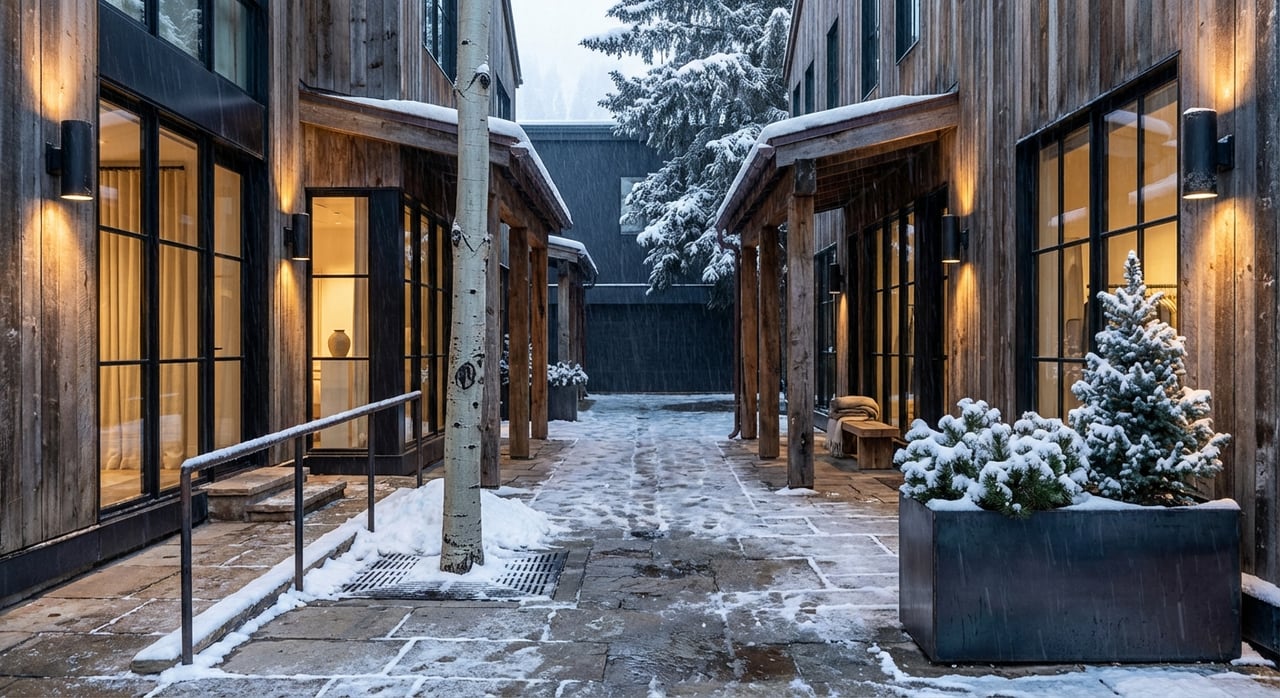
The Central Core is the compact heart of Aspen with galleries, restaurants, boutiques, and the base of Aspen Mountain all within a short walk. Think 8 to 16 blocks of mixed-use streets at the base of the Silver Queen Gondola. Housing is mostly condos, boutique residences, and a few penthouses, with very limited single-family lots. It is the most walkable part of town and ideal if you want to park the car and live on foot.
East Aspen: toward Independence Pass
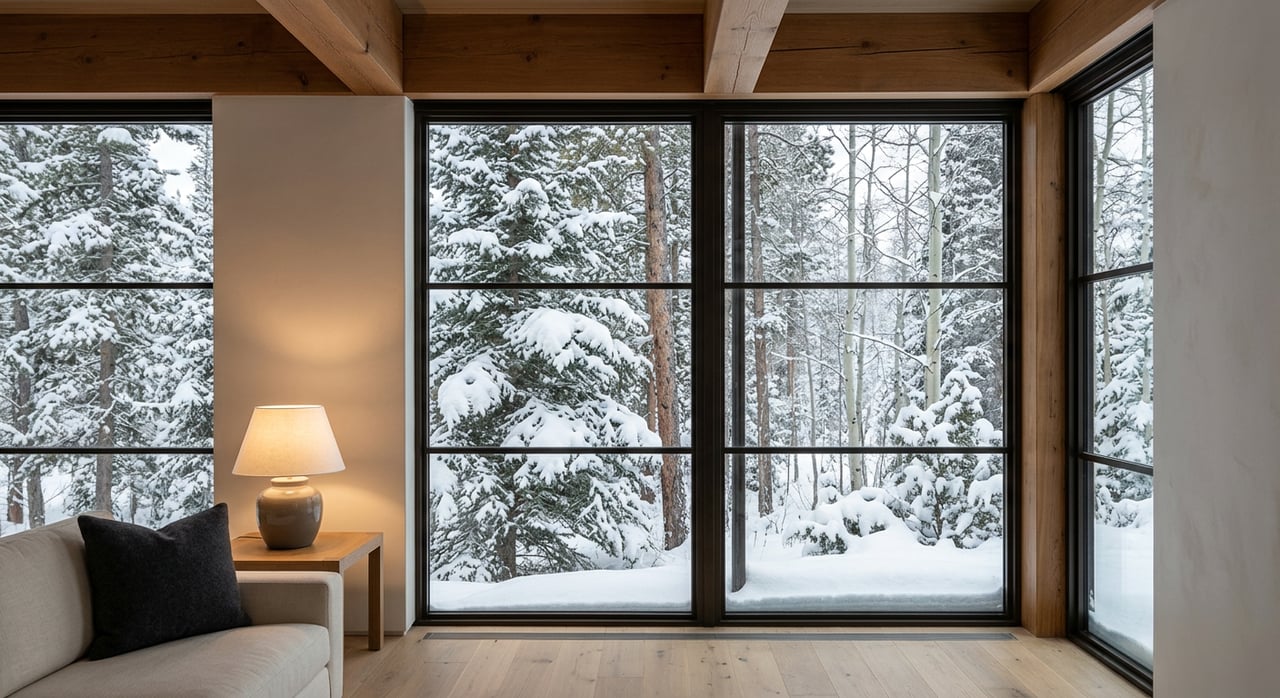
East Aspen runs east of downtown along Highway 82 toward Independence Pass. Neighborhood names you will hear include Knollwood, Eastwood, Mountain Valley, and Riverside, plus the North Star Preserve corridor. Homes lean single-family with larger lots, more privacy, big valley or Pass views, and quick access to trails and the river. You trade a short drive or bike ride for a quieter, more secluded setting.
Lifestyle differences that matter
Walkability and daily errands
If you want to walk everywhere, Central Core is your zone. Many addresses qualify as a "Walker's Paradise," where daily errands do not require a car, according to Walk Score’s Aspen overview.
In East Aspen, walkability varies by exact address and trail access. Some pockets are bike-friendly and a pleasant flat ride to town, but walking times to the gondola are longer. If you prefer absolute convenience on foot, the Core wins. If you are comfortable with short drives or a bike ride, East Aspen offers a calmer rhythm.
Ski access
The Silver Queen Gondola sits right in or next to the Core, so many downtown properties are minutes on foot to lift access. For skiers and riders, that is a daily-life game changer. Learn more about the mountain experience from Aspen Snowmass.
In East Aspen, you typically drive, bike, or take a shuttle to the gondola. Addresses closest to town, like Knollwood and Eastwood, are commonly described as about a mile to downtown and Gondola Plaza, though exact times vary by property. A representative listing notes the short distance as a reference point on a sample East Aspen stay.
Trails, river, and outdoor access
East Aspen gives you quick reach to river paths, the East of Aspen trail, and the scenic North Star Preserve corridor. The preserve is beloved in summer for paddling and wildlife viewing. The community has set rules to keep it peaceful, as reported by Aspen Public Radio.
Central Core keeps you close to urban amenities and event parks. You will still find access to town trails and the Rio Grande corridor, but the signature perk downtown is how effortlessly you can pair skiing with dining, shopping, and the arts.
Transit and parking
Downtown has the Rubey Park transit center with local shuttles and RFTA bus connections. Parking in the Core is limited to meters and garages, so convenience comes from walking. In East Aspen, most homes include garages or private parking. For an overview of getting around, see Lonely Planet’s guide to Aspen transit.
Noise and event energy
Central Core hosts major events like the Food & Wine Classic and holiday celebrations. Expect a lively calendar and later-night restaurant and nightlife activity, especially in peak weeks. You can check dates and footprints on the Aspen Chamber’s event page.
East Aspen is primarily residential and quieter overall. Summer can bring day visitors to North Star and the river corridor, but the feel is still more secluded than downtown.
Housing types and feel
Central Core homes
The Core’s housing stock is condo-forward. You will find full-service luxury buildings with amenities and on-site management, historic conversions, boutique residences, and high-end penthouses. Single-family options inside the tight Core are rare. Many buyers choose upper-floor units for better light, views, and insulation from street activity.
East Aspen homes
East Aspen is largely single-family, with a mix of classic alpine homes and newly built contemporary estates. Lots are often larger than in town, delivering more outdoor space and privacy. You will also see small clusters of townhomes or condos near the Aspen Club area. The feel is low-density as you move farther east.
Pricing signals and value drivers
Aspen is an ultra-luxury, low-inventory market, so a few high-value sales can swing medians. Because the Core has many condos and smaller footprints, its median listing signals can trend lower than neighborhoods with large estates. Yet premium penthouses downtown can command top-tier prices per square foot.
East Aspen shows a higher share of mid to upper single-family transactions and legacy estates, with a wide range that depends on subarea, lot size, and build quality. When prime single-family inventory tightens across town, East Aspen often sees surging demand thanks to its privacy and quick access to downtown.
Bottom line: Use current local MLS data at the street or micro-neighborhood level for any offer strategy. Expect month-to-month volatility given limited sales counts.
Short-term rental rules you should know
Aspen and Pitkin County run permit programs that affect whether and how you can operate a short-term rental. Rules vary by zone, and permit renewals require documentation. Some Core lodging zones differ from nearby residential zones, which can change your rental feasibility. Before you rely on rental income, verify zoning and permit history. See the City’s STR permit renewal notice and guidance for the latest program details.
Which area fits your goals
Choose Central Core if you want
- Walk-everywhere convenience near dining, shopping, galleries, and events.
- Minutes-on-foot access to the Silver Queen Gondola.
- A condo or penthouse with services, amenities, and potential on-site management.
- An active social scene and easy hosting without driving.
Choose East Aspen if you want
- Larger lots, privacy, and outdoor space with valley or Pass views.
- Direct access to trails, river activities, and the North Star corridor.
- A quieter residential setting within a quick drive or bike to town.
- Single-family living or an estate feel close to downtown.
If rental income is part of your plan
- Confirm zoning, permit status, and HOA rules before you write an offer.
- In core lodging zones, rules can differ from residential streets nearby. Always check.
What to compare on a tour
- Walking time to Gondola Plaza vs drive or shuttle time from each address.
- Event calendars that may affect noise or street closures downtown. See the Food & Wine Classic schedule.
- Trail and river access in East Aspen, plus summer activity near North Star. Review community rules via Aspen Public Radio’s coverage.
- Parking for owners and guests. Downtown relies on garages and meters; East Aspen often includes garages or private drives. Transit details are outlined in this getting-around guide.
- Building or neighborhood covenants, utilities, and maintenance factors tied to lot size and elevation.
A day in the life: Central Core vs East Aspen
Central Core
You grab coffee and a pastry downstairs, stroll to the gondola for first chair, then meet friends for lunch two blocks away. After an afternoon gallery walk, you freshen up and head to dinner, all without moving the car.
East Aspen
You start with a quiet morning on the deck as the sun lights the valley. A flat bike ride brings you to town for brunch. Afternoon paddles and a trail run are minutes from home. You drive or shuttle in for dinner, then return to a peaceful evening under the stars.
How we help you choose
Buying in Aspen is as much about lifestyle fit as price and finishes. You deserve a partner who knows both worlds. With concierge-level tours, micro-market insight, and access to curated on and off-market options, you can compare the best of downtown convenience and East Aspen privacy side by side. If you plan to rent, our furnished rental and property management capabilities streamline setup and compliance, while our staging and design guidance helps you unlock full value on resale.
Ready to map your ideal Aspen life and see the right homes in both areas? Connect with David Baer to plan a private, curated tour.
FAQs
What and where is Aspen’s Central Core in 81611?
- It is the compact downtown district at the base of Aspen Mountain with dense retail, dining, and condo living, known for excellent walkability as noted by Walk Score’s Aspen overview.
How long is the trip from East Aspen to the gondola?
- Many closer East Aspen pockets are about a mile from downtown, often a 5 to 10 minute drive depending on traffic and exact address, as reflected in a representative East Aspen listing’s distance note.
Is Central Core noisy during peak events?
- Downtown hosts major festivals and holiday celebrations, so expect more activity on event dates; you can review timing on the Aspen Food & Wine Classic page.
Can I operate a short-term rental in either area?
- It depends on zoning, permits, and building rules; Aspen requires permits and renewals, with details provided in the City’s STR guidance.
What are parking and transit options if I do not want to drive?
- Downtown relies on meters and garages plus the Rubey Park transit center, while East Aspen homes typically include garages or private parking; see this transit overview for context.
Is East Aspen always quiet around the river and preserve?
- It is generally quieter than downtown, but summer activity at North Star brings day visitors; the community has rules to manage noise and parking as reported by Aspen Public Radio.