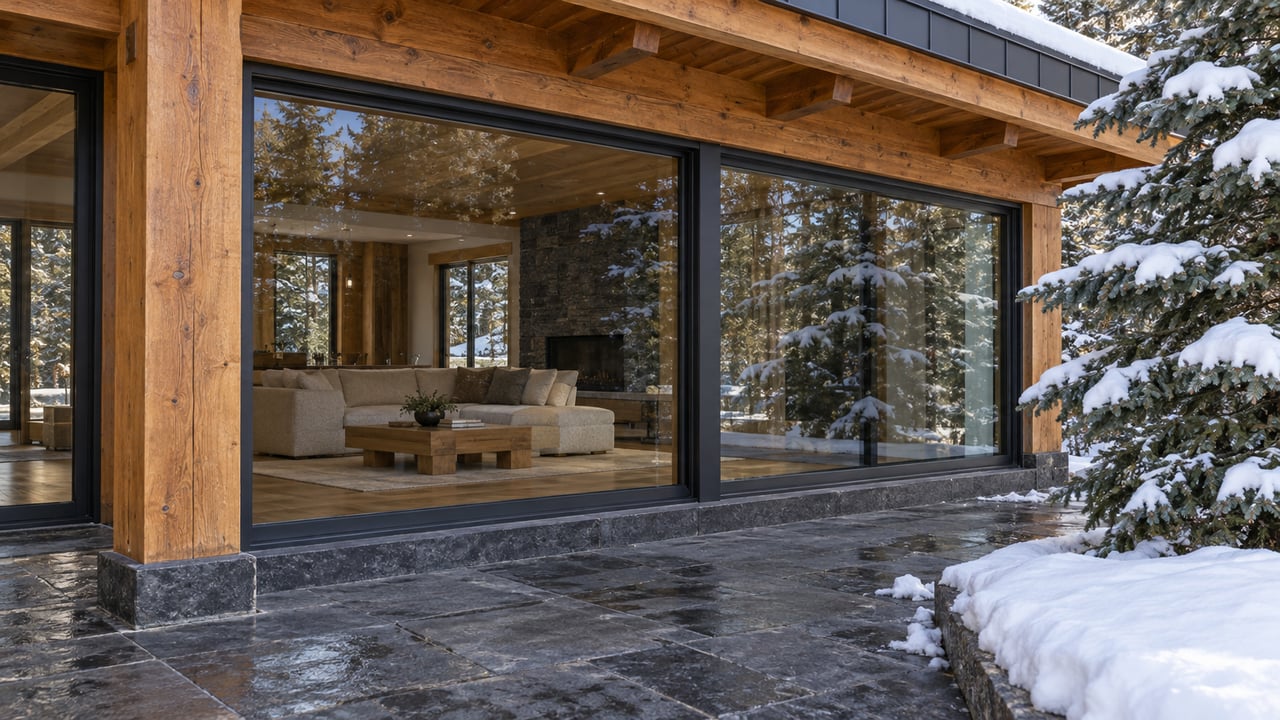
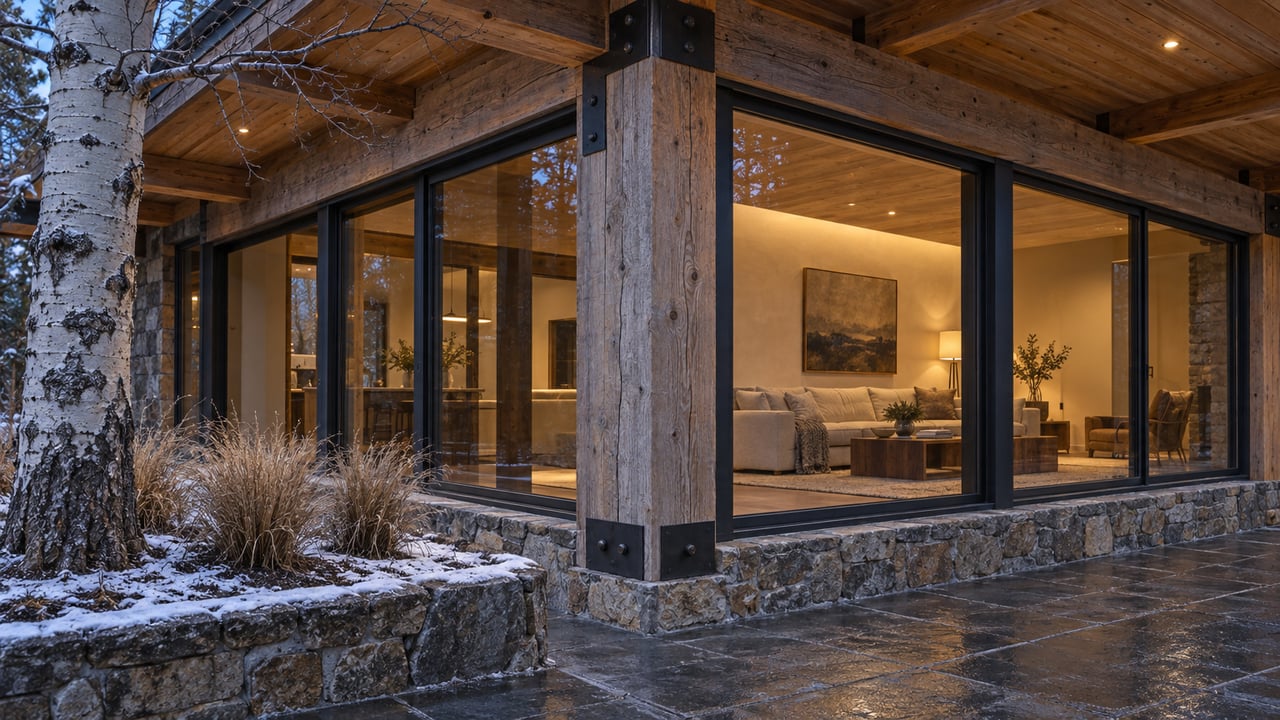
If you own a condo in Snowmass Village, timing and presentation can do just as much heavy lifting as the property itself. This is a market with clear winter and summer demand peaks, plus short booking windows around holidays, ski trips, concerts, and event weekends. If you want to position your condo for peak demand, you need a strategy that matches how guests travel and how buyers evaluate rental-ready property. Let’s dive in.
Know Snowmass demand cycles
Snowmass Village works as a two-peak resort market, and that should shape how you prepare, market, and operate your condo. Aspen Snowmass’s published calendars show summer mountain operations running daily from June 21 through September 7, with weekend operations through October 4, while the most recently published winter season ran from November 27, 2025 through April 12, 2026.
That matters because demand is not spread evenly across the year. In Snowmass, the strongest positioning usually happens when your condo is ready for winter holiday travel, late-winter ski demand, and the steady rhythm of summer events and mountain activity.
Winter brings concentrated urgency
Winter demand tends to build around late December through March. Holiday travel, ski weekends, and recurring programming like Ullr Nights and winter tubing create periods when guests want a stay that feels simple from the moment they arrive.
For owners and sellers, that means the condo should look easy to use at a glance. Clear sleeping arrangements, practical storage, and a smooth arrival process can make a real difference when travelers are comparing options quickly.
Summer rewards broad appeal
Summer in Snowmass is more event-driven across many weeks rather than centered on one holiday stretch. The Snowmass Free Concert Series, Snowmass Rodeo, Heritage Fire, Jazz Aspen Snowmass Labor Day Experience, Lost Forest, and the Snowmass Bike Park all help create steady reasons to visit.
A condo that connects well to both the mountain and Base Village amenities can appeal across a wider summer audience. That includes people visiting for concerts, outdoor recreation, long weekends, and family travel.
Lead with access and ease
In Snowmass Village, convenience is one of the clearest demand drivers. Aspen Snowmass notes that 95% of Snowmass lodging is ski-in/ski-out, and the village experience is closely tied to Base Village dining, shopping, entertainment, and seasonal activities.
If your condo has true ski-in/ski-out access, that should be one of the first things a buyer or renter understands. If it does not, the next best story is still powerful: proximity to Elk Camp Gondola, Base Village, shuttle stops, and the free Sky Cab between Base Village and the Mall.
Parking matters more than many owners expect
Parking is not just a convenience detail. It is part of how easily guests can settle in, especially during winter when village lots are permit-controlled from Thanksgiving to Snowmass Mountain closing day.
Snowmass Village also notes that guest permits can be obtained through the hotel, lodge, residence owner, or property manager. In summer, village lots and the Base Village garage are free, which can make warm-weather stays easier to market.
When you present the condo, be explicit about assigned parking spaces, guest parking logistics, and the arrival sequence. Buyers and renters alike respond well when there is no guesswork.
Storage supports the lifestyle
Snow gear, bikes, and luggage all take up room fast. A condo that offers practical storage for skis, boots, outerwear, or summer equipment often feels more usable right away.
Even if the storage area is modest, show it clearly in your marketing. In a resort setting, functional details often support value because they reduce friction during short stays and repeat visits.
Create a layout that photographs clearly
Snowmass is a visual, online-first market, so your condo has to communicate its use case quickly. According to NAR, 81% of buyers rated listing photos as the most useful feature in their online home search.
That means your layout should read clearly in photos before anyone ever visits in person. If a room feels confusing, crowded, or overfilled, demand can soften before you even get a showing or an inquiry.
Focus on the rooms people judge first
NAR’s 2025 Profile of Home Staging found that 83% of buyers’ agents said staging makes it easier for buyers to visualize a home as a future residence. The most commonly staged rooms were the living room, primary bedroom, dining room, and kitchen.
For a Snowmass condo, those spaces do most of the storytelling. They help people picture ski mornings, summer weekends, group dinners, and relaxed evenings after a day on the mountain.
Keep sleeping arrangements easy to understand
Snowmass Village’s short-term rental application requires owners to disclose the number of bedrooms and beds. That alone tells you something important: a clear sleeping plan matters operationally as well as visually.
If the condo sleeps multiple guests, avoid making it look packed. The goal is to show flexibility without making the home feel overfurnished or hard to move through.
A strong setup usually includes:
- Durable, appropriately scaled furniture
- Open paths through living areas
- A visible dining area
- Bedrooms that are easy to identify in photos
- Bedding and furnishings that feel consistent and intentional
Market amenity adjacency year-round
Not every condo needs to be slopefront to compete well. In Snowmass, proximity to year-round amenities can widen the audience and help support shoulder-season interest.
Base Village offers a free outdoor ice rink with free skate rentals in winter. In summer, Lost Forest adds attractions like an alpine coaster, ropes course, climbing wall, zipline, hiking, and disc golf, while the Bike Park and gondola sightseeing bring additional draw.
Show the route, not just the destination
When marketing a condo, it helps to explain how someone actually gets to the experience. A quick walk, an easy shuttle ride, or access to the Sky Cab can be just as persuasive as a broad statement about location.
This is especially true for second-home buyers and investor owners evaluating rental appeal. The easier the condo feels to use across both ski season and summer activity, the stronger its positioning tends to be.
Prepare for short-term rental compliance
If your condo is rented for fewer than 30 days in Snowmass Village, the town requires both a business license and a short-term rental permit. Revised regulations effective December 30, 2025 set the STR permit fee at $400 and move permits to an annual April 30 expiration.
The town also requires application details that include a designated local owner representative, management company contacts, bedrooms, beds, parking, intended rental days, and advertising channels. If ownership is held in an LLC, corporation, partnership, or trust, a notarized Statement of Authority is also required.
Verify your property’s jurisdiction
Before you market a condo as a short-term rental asset, confirm whether it is inside the Town of Snowmass Village boundary. If the property is outside town limits, Pitkin County has its own short-term rental licensing program.
That distinction matters because the governing rules are not interchangeable. For Snowmass Village condos, town regulations are the baseline you should plan around.
Why management affects demand
In a resort market, management is part of the product. It is not only about cleaning between guests. It is also about compliance, communication, parking coordination, turnover timing, and the quality of the arrival experience.
That becomes even more important during holiday weeks, event weekends, and compressed booking windows. If guests can get clear instructions, parking access, and a well-prepared condo without delays, the property is easier to book and easier to review positively.
Smooth operations support better positioning
The town’s permit framework assumes a local representative, and parking logistics often run through an owner, lodging provider, or property manager. That means responsive management is closely tied to how well the condo functions in real life.
For owners, this is where professional support can protect both demand and day-to-day sanity. It can also make the condo more appealing to a buyer who wants a furnished, income-oriented property with a more turnkey feel.
Build a stronger listing story
A Snowmass condo needs more than attractive photography. It needs a clear narrative that connects layout, access, amenities, and operations into one easy-to-understand package.
The first images and description should answer the biggest questions fast. How does the condo live? How many people does it comfortably accommodate? What is the route to skiing, concerts, dining, or summer activities? How simple is arrival and parking?
What to highlight first
When positioning your condo for peak demand, start with the details that help people make a fast decision:
- Ski-in/ski-out access, if applicable
- Distance or route to Elk Camp Gondola, Base Village, shuttle stops, or Sky Cab
- Number of bedrooms and beds
- Assigned parking and guest parking logistics
- Ski, boot, bike, or owner storage
- Living room, kitchen, primary suite, and dining presentation
- Walkability or shuttle access to ice skating, concerts, rodeo, and summer mountain activities
- Existing management structure, if relevant to the property’s use
This kind of presentation helps both renters and buyers. It shows that the condo is not just attractive, but also practical, understandable, and ready for how Snowmass is actually used.
Positioning is about readiness
Peak demand in Snowmass Village rarely rewards generic marketing. It rewards readiness, clarity, and a condo that feels effortless to book, occupy, and enjoy.
If you are preparing to sell, refine furnishings, sharpen the visual story, and make sure the condo’s access and use case are obvious from the first photo. If you are holding as an investment, align your setup with Snowmass’s winter and summer booking patterns, town requirements, and guest expectations.
The owners who stand out in Snowmass are usually the ones who treat presentation and operations as part of the same strategy. If you want help positioning a Snowmass Village condo for stronger market response, connect with David Baer for tailored guidance on presentation, rentals, property management, and sales strategy.
FAQs
What months bring peak condo demand in Snowmass Village?
- Snowmass Village typically sees its strongest demand in winter from late December through March, with another major peak during summer mountain operations from late June through early September, plus some weekend activity into early October.
What condo features matter most for Snowmass Village demand?
- The most important features usually include ski access or easy gondola and shuttle access, clear sleeping capacity, assigned parking, practical storage, and a layout that feels easy to use for short stays and seasonal visits.
What are the Snowmass Village short-term rental rules for condos?
- Rentals under 30 days in Snowmass Village require a business license and a short-term rental permit, and the town requires details such as bedrooms, beds, parking, rental days, advertising channels, and a designated local representative.
Why is parking important when marketing a Snowmass Village condo?
- Parking affects arrival ease, winter guest logistics, and the overall stay experience, especially because winter village lots are permit-controlled and guest permits often need coordination through an owner or property manager.
How should you stage a Snowmass Village condo for sale?
- Focus first on the living room, primary bedroom, dining room, and kitchen, and make sure the home photographs clearly with open circulation, understandable bedroom setups, and furnishings that support a polished but practical mountain-living feel.
Does professional management help a Snowmass Village condo perform better?
- Yes. Professional management can support compliance, guest communication, permit coordination, parking logistics, and timely turnovers, all of which help a furnished condo feel more turnkey and dependable.