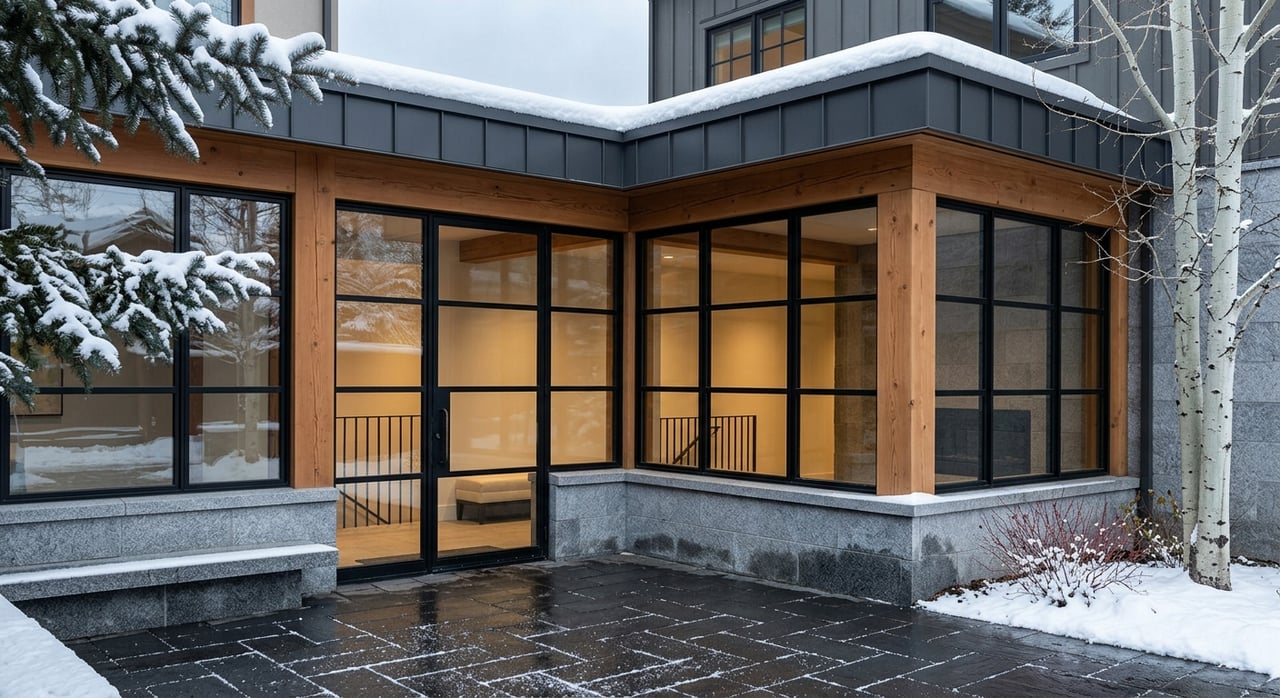
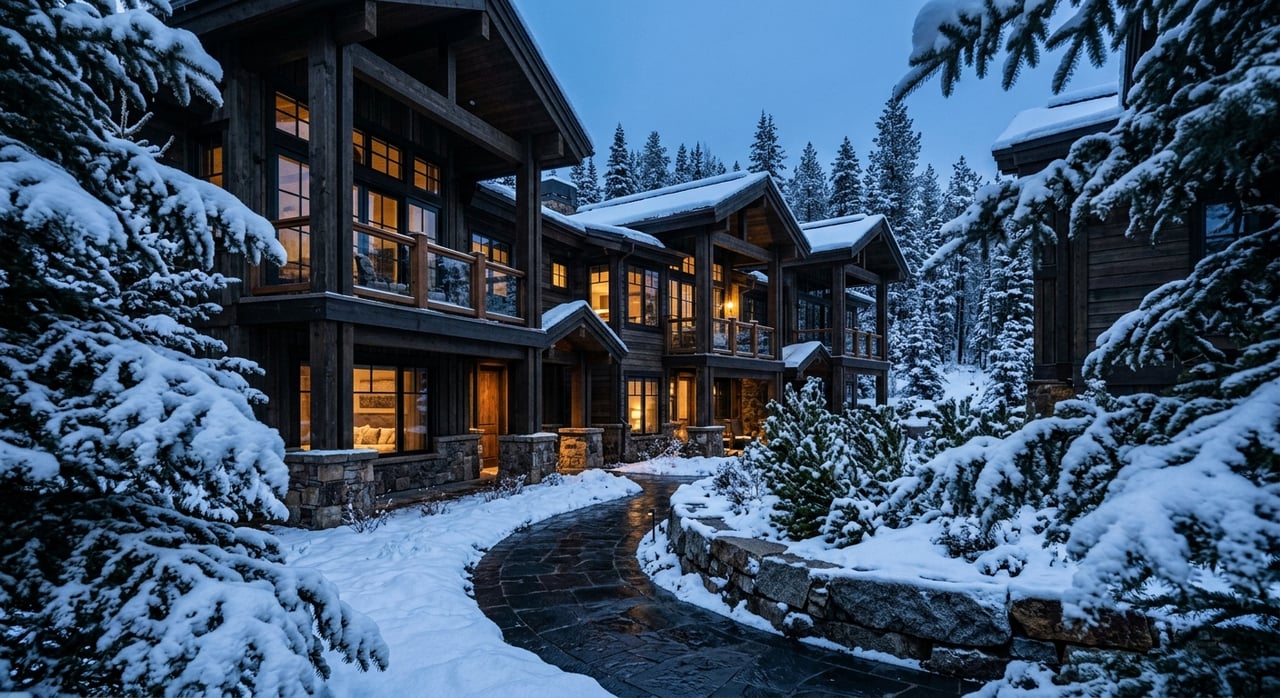
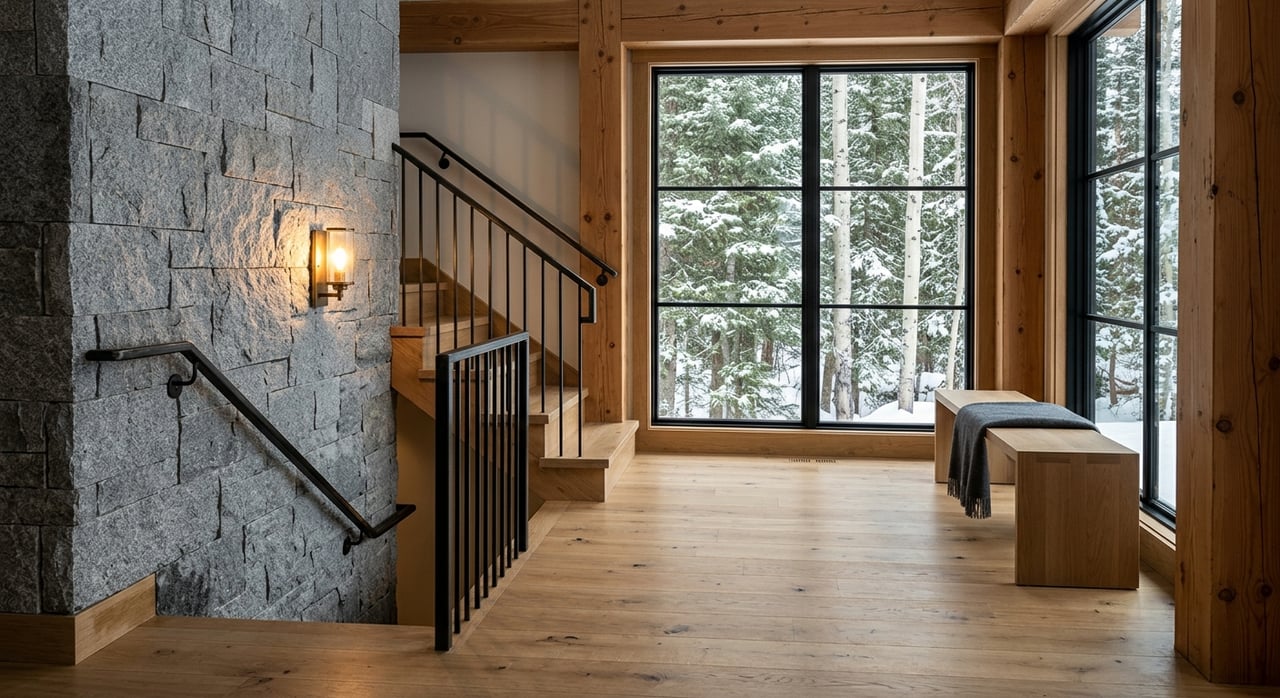
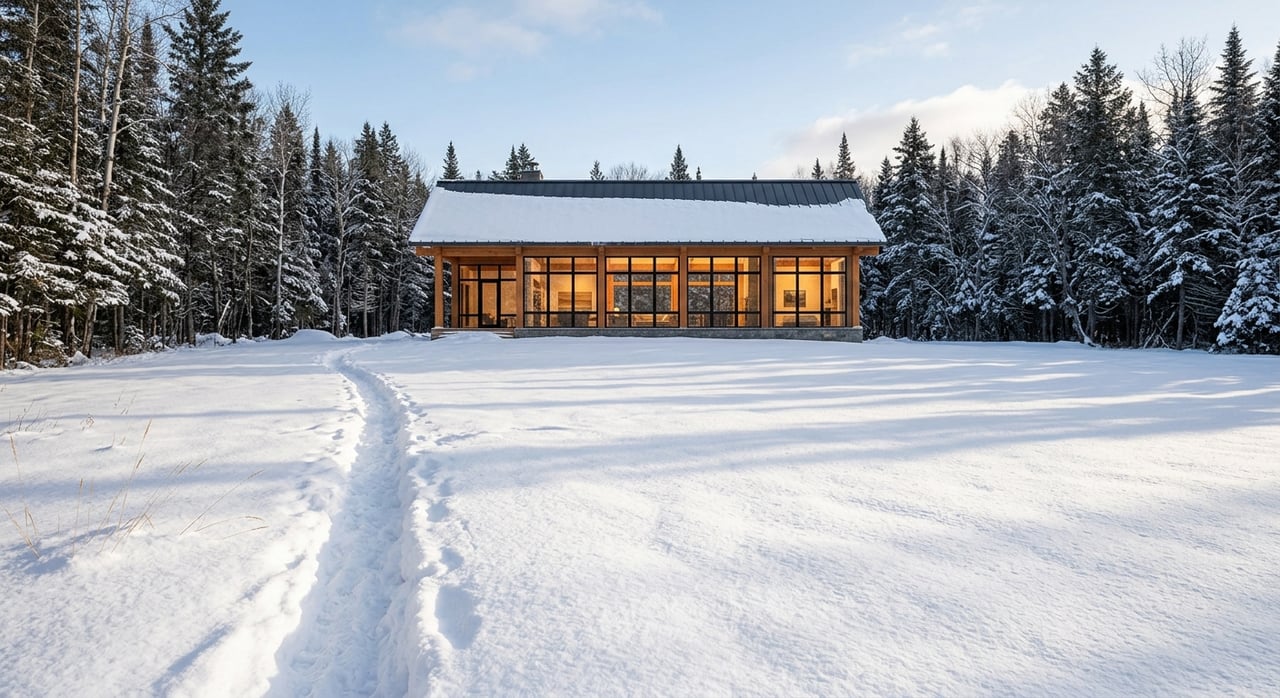
You do not have to choose between elbow room and Aspen access. McLain Flats offers a rare middle ground: a more open, rural setting just northwest of town, with the Roaring Fork corridor, trail connections, and key road access shaping daily life. If you are exploring where to buy near Aspen, this guide will help you understand what makes McLain Flats distinct, what to look for in a property, and why this area continues to appeal to lifestyle-driven buyers. Let’s dive in.
Why McLain Flats Stands Out
McLain Flats is best understood as the close-in northwest Aspen river corridor around Smith Hill Way, McLain Flats Road, Upper River Road, and Jaffee Park. That location gives you a sense of separation from denser parts of Aspen without pushing you far from the town’s orbit.
For many buyers, that balance is the draw. You get wider views, more land-oriented surroundings, and strong access to outdoor recreation, while still being connected by roads and trail infrastructure that locals use every day.
McLain Flats Location and Access
Pitkin County places Jaffee Park northwest of Aspen at the junction of Smith Hill Way, McLain Flats Road, and Upper River Road, on the east side of the Roaring Fork River. The county also notes that commuters use Smith Hill Way to access McLain Flats Road or reach Highway 82 via Smith Way.
That matters if you want a home that feels more private without feeling isolated. McLain Flats is rural in character, but it is not a fringe backcountry setting. Pitkin County lists McLain Flats Road among its high service area roads, which supports a more practical day-to-day connection to Aspen.
Pitkin County also identifies McLain Flats Road as a road signed for shared bicycle and vehicle use. If you value a lifestyle that includes riding, walking, or simply living near mixed-use transportation corridors, that is part of the area’s appeal.
Property Style Is Highly Parcel-Specific
One of the most important things to know about McLain Flats is that it is not a uniform subdivision. This is a parcel-driven area, and what is possible on one property may not be possible on the next.
Pitkin County zoning depends on factors such as zone district, Urban Growth Boundary status, caucus area, prior approvals, and Growth Management and TDR rules. The county also notes that properties in the Rural Area outside the UGB can face additional gross floor area limits.
In practical terms, that means you should expect variation. Many buyers are drawn to McLain Flats for single-family homes on larger parcels and for the sense of openness that comes with lower-density residential patterns, but each property needs its own review.
What the Rural Setting Really Means
Pitkin County’s Rural Living guidance says that outside the UGB, the county promotes lower-density residential uses, agricultural and ranching operations, and open space. That framework helps explain why McLain Flats often feels more spacious and land-oriented than denser in-town options.
For you as a buyer, this can translate into a different ownership experience. Instead of focusing only on interior finishes or walkability, you may also be weighing land use, views, privacy, access, and how a home fits into a broader natural setting.
This is also why due diligence matters so much here. A property that looks straightforward at first glance may have site-specific limitations or opportunities tied to its zoning, approvals, setbacks, and location relative to county rules.
Setbacks Can Shape Your Options
In McLain Flats, setbacks are not a minor detail. They can have a real effect on how a property may be improved, expanded, or repositioned over time.
Pitkin County says setbacks are measured from the right-of-way or the edge of pavement, and McLain Flats Road is specifically listed as a 100-foot major-road setback corridor from the Slaughter House Bridge to Highway 82 across Smith Bridge. That is a meaningful planning consideration for buyers evaluating long-term flexibility.
If you are comparing properties in this area, it helps to look beyond square footage and lot size. The placement of structures on the site, road relationship, and applicable county review standards can all influence future use.
Outdoor Access Is a Major Advantage
For many buyers, McLain Flats is compelling because it feels tied into Aspen’s outdoor lifestyle in a very immediate way. Jaffee Park provides boat-ramp access, fishing, rafting, kayaking, picnic space, and connections to the Rio Grande Trail and AspenMass Trail network.
Pitkin County says its trail system manages more than 85 miles of paved, natural-surface, and seasonal trails. That broader network strengthens the appeal of living in a place where recreation is not a special occasion, but part of the weekly rhythm.
The AspenMass Trail links Brush Creek Park & Ride to McLain Flats Road, adding another layer of connectivity. If you want a home base that supports active days without requiring a long drive to get outside, this area checks an important box.
Equestrian and Trail-Oriented Appeal
McLain Flats also stands out for buyers who value trail access and a more land-connected lifestyle. The Roaring Fork Gorge management plan notes that several trail connections along McLain Flats Road are mainly used by equestrians.
The same plan places Gold Butte between the Rio Grande Trail and McLain Flats Road, and says the Sunnyside Trail parking lot on McLain Flats Road can be used for Gold Butte and gorge access. That gives the area a strong recreational identity just minutes from downtown Aspen.
Still, it is important to keep expectations property-specific. Trail and equestrian proximity may be part of the area’s character, but whether a given parcel supports certain uses or improvements depends on zoning, setbacks, and approvals.
Seasonal Conditions Are Part of Life Here
Living near open space and trail systems also means living with seasonal management patterns. Pitkin County closes some trails during migration and winter periods to protect wildlife and prevent resource damage.
That does not reduce the area’s appeal. It simply reflects the local rhythm of a place where recreation, conservation, and mixed-use trail access all intersect.
If you are considering McLain Flats, it helps to think seasonally. Access and use patterns can change through the year, which is normal for this part of Pitkin County and part of what shapes the experience of ownership.
McLain Flats in Aspen’s Luxury Market
Aspen’s broader housing context matters here. Pitkin County says Aspen has a relatively high cost of living, with non-housing expenses 20 percent to 30 percent higher than in metropolitan areas, and that housing is scarce and expensive.
Within that landscape, McLain Flats stands out as a space-forward Aspen option. It can offer a different value proposition than downtown or tightly clustered residential areas, especially if you prioritize land, views, recreation, and a sense of breathing room.
That does not mean one setting is better than another. It means McLain Flats often appeals to buyers who want more room without leaving Aspen behind.
Who McLain Flats Often Fits Best
This area can be especially compelling if you are looking for:
- A single-family home setting with a more open feel
- Close-in access to Aspen with a more rural backdrop
- Strong connection to trails, river access, and outdoor recreation
- A property where land, privacy, and setting play a major role in value
- A parcel-specific buying opportunity rather than a standardized neighborhood experience
For lifestyle-driven buyers, McLain Flats often feels less like a conventional neighborhood and more like a corridor of distinct homesites with different strengths. That makes local guidance especially valuable when you are narrowing your search.
What to Review Before You Buy
Because McLain Flats is so property-specific, your evaluation should go beyond aesthetics. A beautiful home and a large parcel are only part of the picture.
As you compare opportunities, pay close attention to:
- Zone district and UGB status
- Existing approvals and land use history
- Gross floor area constraints where applicable
- Road and stream setbacks
- Seasonal trail and access conditions
- How the home’s setting aligns with your lifestyle goals
This is where a thoughtful, detail-oriented process can make a difference. In an area like McLain Flats, understanding the nuances of a property is often just as important as understanding the asking price.
If you are considering McLain Flats, you are likely looking for more than a house. You are looking for a setting that supports the way you want to live in Aspen, with room to breathe, strong outdoor access, and a close connection to town. If you want a discreet, highly tailored perspective on available properties in this part of the market, David Baer can help you evaluate the opportunities that best fit your goals.
FAQs
What is McLain Flats near Aspen known for?
- McLain Flats is known for its open, rural feel close to Aspen, with access to McLain Flats Road, Smith Hill Way, Jaffee Park, the Roaring Fork corridor, and nearby trail connections.
What types of properties are common in McLain Flats?
- McLain Flats is generally a parcel-specific area with single-family homes on larger parcels, but property use and development potential depend on zoning, approvals, setbacks, and other county rules.
How close is McLain Flats to Aspen?
- McLain Flats is just northwest of Aspen and is connected by roads that locals and commuters use regularly, including Smith Hill Way and McLain Flats Road.
What outdoor amenities are available near McLain Flats?
- Nearby outdoor amenities include Jaffee Park for boat-ramp access, fishing, rafting, kayaking, and picnicking, plus connections to the Rio Grande Trail, AspenMass Trail, and other county-managed trails.
What should buyers check before purchasing in McLain Flats?
- Buyers should review zoning, UGB status, setbacks, prior approvals, potential gross floor area limits, and seasonal trail or access conditions before moving forward on a property.
Are trails near McLain Flats open year-round?
- Some trails in the area may close seasonally for wildlife protection or winter conditions, so trail access can vary during the year.